
Tip #7: Documentation in Electronic Medical Records
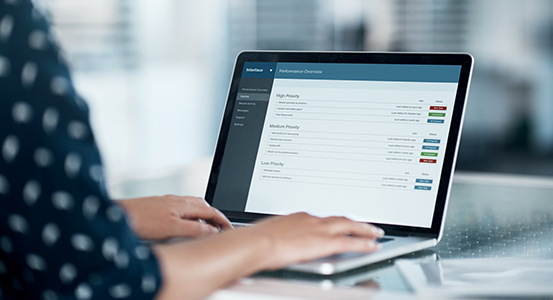
Many practices or facilities are using Electronic Medical Records (EMRs) at this point, and it will continue to grow as time continues. If you are documenting in an EMR, a few tips to keep in mind: following:
- It is important to never give your login or password information to another provider.
- It is not advisable to use cut and paste options. There are times when a professional documents the wrong diagnosis or information about a patient and then that same information is used throughout the record going forward by those who use the cut and paste option.
- When documenting, make sure you are documenting on the correct record. Be aware of patients’ names which may be similar or circumstances which may be similar.
- Use approved abbreviations.
- You may have occasions when you treat different family members or patients who know one another. While doing so may raise other issues to consider such as possible dual roles or confidentiality, with respect to documentation, it is important to avoid using the name of the other patient and to instead refer to the other patient by his/her EMR number.
- Make sure to use an encrypted system, particularly if using portable devices such as a smart phone, tablet, or laptop.
- Know the law in your state on how long you are required to retain medical records. This time frame may vary as well depending upon the patient’s age (for example, if the patient is a minor).
- Your EMR should be backed up regularly. It is important that a system is in place in the event there is a technical system or failure.
The use of EMRs is continuing to grow and you may encounter questions or issues while using this format for documentation. Be sure to check your profession’s ethical guidelines on documentation principles. When you have questions, it is best to consult an attorney for guidance.